Umer Habib
The whole world knows this is a war between Iran and Israel. Often, Israel launches an attack, and Iran retaliates. But this cycle helps no one. War isn’t just about victory or patriotism—it means killing each other’s children, children who were just getting ready for school the next day. But instead, missiles strike, hitting their schoolbags. We must seriously reflect on how many innocent children are suffering because of this ongoing conflict.
The Iran-Israel conflict began after Iran’s 1979 revolution, when the new regime adopted a strong anti-Israel position. Iran supports groups like Hezbollah and Hamas, which oppose Israel, while Israel sees Iran as a major threat due to its nuclear program and growing influence in the region. Since then, both countries have been locked in a tense struggle through cyberattacks, covert missions, and proxy wars.
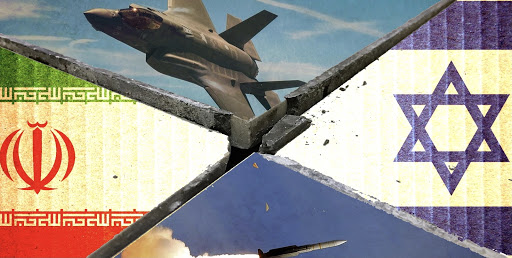
The recent U.S. attacks on Iran’s nuclear sites can be traced back to its deep-rooted alliance with Israel. While the United States may not have initially wanted direct involvement, its strong political, military, and financial ties with Israel played a significant role in shaping its actions. Israel and the U.S. are close partners in many areas, including defense, technology, intelligence, and the banking sector. Israel also holds significant gold reserves and investments that are closely connected to Western financial systems, including American interests.
Given these strong connections, Israel has long pushed for U.S. support in its confrontations with Iran. Israel views Iran’s nuclear ambitions as an existential threat and believes it cannot handle the situation alone. As a result, it urges the U.S. to act as a strategic partner in its military efforts. This pressure, combined with the shared geopolitical goals and economic ties, has influenced the U.S. to take military action against Iran—even if such action wasn’t its original intention. The situation reflects how complex alliances can sometimes draw nations into conflicts they might otherwise avoid.
🇮🇱 Bank Hapoalim
- Maintains a New York branch (FDIC–insured), plus branches/offices in Miami, New Jersey, Los Angeles, and representative office.
- Bank Hapoalim Appoints Karni CEO of BHI USA

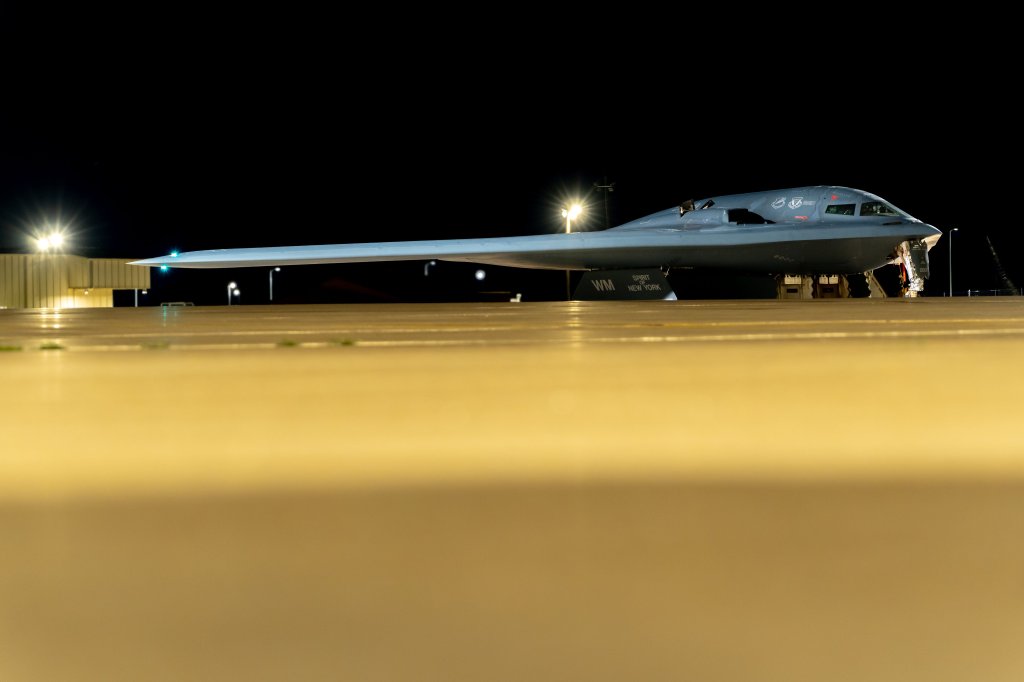
The U.S. has recently launched an attack on Iran, prompting a strong warning from Iran that it will retaliate in a way the world will remember. The attack was carried out by the U.S. Air Force—but if Iran responds, it won’t just target military assets; it may target the American people.
This raises a serious question for the U.S. Air Defense leadership: Are we truly heading in the right direction? This is not our war—it’s a conflict between Iran and Israel. By involving ourselves, we risk dragging the American public into the consequences. In the end, it may be innocent civilians who pay the price. It’s time to pause and rethink our role before it’s too late.

 Euronews English
Leave a comment